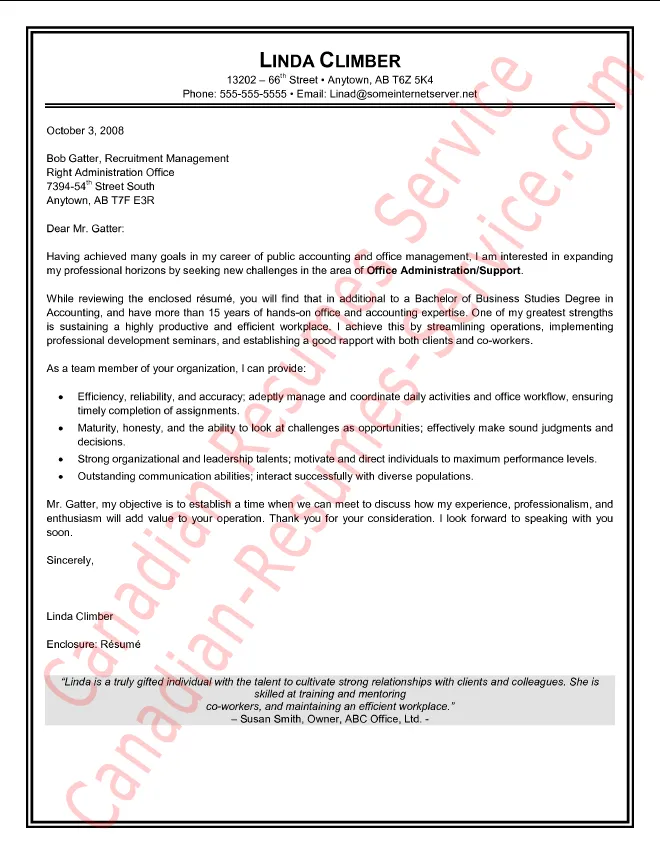
Understanding the Importance of an Administrative Associate Cover Letter
Your administrative associate cover letter is a crucial first impression. It’s your opportunity to introduce yourself, showcase your skills, and express your interest in a specific role. Unlike a resume, which is a summary of your experience, a cover letter allows you to tell a story, connecting your qualifications to the employer’s needs. A well-crafted cover letter demonstrates professionalism, attention to detail, and a genuine desire to join the company. It’s your chance to stand out from the crowd and convince the hiring manager to read your resume.
Key Components of a Successful Administrative Associate Cover Letter
A strong cover letter contains several essential elements. First, it clearly states the position you are applying for. Second, it highlights your most relevant skills and experiences, connecting them directly to the job requirements. Third, it showcases your enthusiasm for the company and the specific role. It should also be well-organized, easy to read, and free of errors. Remember to keep it concise and focused, typically no longer than one page. Tailoring the letter to each specific job is critical, demonstrating that you have taken the time to understand the company and its needs.
Contact Information and Professional Greeting

Start with your contact information (name, phone number, email address, and optionally, your LinkedIn profile URL) at the top. Following that, include the date and the recipient’s contact information (name, title, and company address) if available. Always use a professional greeting, such as “Dear Mr./Ms./Mx. [Last Name],” if you know the hiring manager’s name. If you are unsure, “Dear Hiring Manager” is acceptable, but always avoid generic greetings like “To Whom It May Concern.”
Highlighting Your Skills and Experience
The body of your cover letter is where you sell yourself. Don’t just list your skills; provide concrete examples. Explain how your past experiences have prepared you for the administrative associate role. Use the job description as your guide. Focus on the skills and qualifications the employer is seeking. Tailor your content to match the specific requirements outlined in the job posting, ensuring your qualifications align with their needs. This demonstrates your suitability and ability to excel in the position.
Administrative Skills to Showcase
Emphasize your proficiency in essential administrative skills. Highlight your organizational abilities, including time management and prioritizing tasks. Mention your experience with scheduling appointments, managing calendars, and coordinating meetings. Showcase your ability to handle paperwork, filing systems, and data entry accurately. Provide examples of how you have successfully managed multiple projects simultaneously. Your strong organizational skills can significantly contribute to office efficiency and workflow.
Communication and Interpersonal Skills

Administrative roles require excellent communication and interpersonal skills. Describe your ability to communicate clearly and professionally, both verbally and in writing. Highlight your experience with answering phones, greeting visitors, and handling inquiries. Emphasize your ability to build rapport with colleagues, clients, and vendors. Showcase your problem-solving abilities and your capacity to work effectively as part of a team. Your communication skills contribute to a positive and productive work environment.
Technical Skills for Administrative Roles
Demonstrate your proficiency with relevant software and technologies. Mention specific programs you’re familiar with, such as Microsoft Office Suite (Word, Excel, PowerPoint, Outlook), Google Workspace, or any other industry-specific tools. Mention your typing speed and accuracy. Indicate your experience with office equipment like printers, scanners, and fax machines. Show that you have the technical skills needed to perform essential administrative tasks efficiently.
Quantifying Achievements with Numbers
Whenever possible, use numbers to quantify your accomplishments. For example, instead of saying “Managed a high volume of emails,” say “Managed 50+ emails daily with a 99% response rate.” Instead of saying “Improved office efficiency,” say “Streamlined office processes, resulting in a 15% reduction in time spent on administrative tasks.” Providing specific metrics makes your achievements more impactful and demonstrates your ability to deliver tangible results.
Tailoring Your Cover Letter to the Job Description

Customize your cover letter to align with each specific job description. Carefully read the job posting and identify the key requirements. Highlight the skills and experiences that match those requirements. Use keywords from the job description throughout your letter to demonstrate that you understand the role and the employer’s needs. This personalization increases your chances of being selected for an interview. Avoid using a generic cover letter; tailor each one to the specific position and company.
Researching the Company and its Values
Before writing your cover letter, research the company. Visit their website, read their “About Us” section, and look at their social media profiles. Understand their mission, values, and culture. This knowledge will help you tailor your cover letter and express genuine interest in working for that organization. Use this research to demonstrate that you are a good fit for their company culture and that you understand their goals.
Matching Skills to Requirements
In your cover letter, directly match your skills to the job requirements. For each skill mentioned in the job description, provide a specific example of how you have demonstrated that skill in the past. This could be a project, a task, or a situation where you successfully used that skill. By directly connecting your qualifications to the needs of the employer, you demonstrate your understanding of the role and your ability to succeed.
Formatting and Writing Style for Impact

Your cover letter’s formatting and writing style contribute to its overall impact. Use a clear and concise writing style. Employ a professional tone throughout your letter. Use a standard font (e.g., Times New Roman, Arial, Calibri) and appropriate font size (11 or 12 points). Keep paragraphs short and to the point. Proofread carefully for any grammatical errors or typos. Maintain a consistent format throughout the document to ensure readability. This will help you in crafting a professional and easy to read cover letter.
Creating a Compelling Opening Statement
The opening statement is your chance to grab the reader’s attention. Start with a strong hook. Mention a specific achievement, a shared connection, or something that immediately captures the reader’s interest. State the position you’re applying for and briefly mention why you’re a good fit. Your opening statement should quickly convey your enthusiasm and demonstrate that you are the right candidate for the job.
Showcasing Enthusiasm and Interest
Demonstrate your genuine interest in the company and the specific role. Express your enthusiasm for their mission, values, or culture. Explain why you’re excited about this particular opportunity and how it aligns with your career goals. The more you demonstrate that you want the job, the more likely you are to make a positive impression.
Structuring the Body of Your Cover Letter

Organize the body of your cover letter logically. You can use a few short paragraphs to highlight your key skills and experiences. Use bullet points to showcase your accomplishments. The goal is to present your qualifications in a clear and easy-to-follow manner, allowing the hiring manager to quickly understand your value.
Providing Specific Examples of Accomplishments
Instead of simply listing your skills, provide specific examples of your accomplishments. Describe situations where you demonstrated those skills and the positive outcomes you achieved. Quantify your achievements whenever possible. Use the STAR method (Situation, Task, Action, Result) to provide context and clearly illustrate your abilities. This proves your capabilities in the best way.
Demonstrating Problem-Solving Abilities
Administrative roles often require problem-solving skills. Provide examples of how you have identified and resolved problems in previous roles. Highlight situations where you took initiative, found solutions, and improved processes. Demonstrate your ability to think critically and proactively address challenges. This can significantly enhance your ability to make a positive impression.
Crafting a Powerful Closing Statement

Your closing statement should leave a lasting impression. Reiterate your interest in the position and the company. Summarize your key qualifications, emphasizing how you can contribute to their success. Express your confidence in your ability to perform the job well. You want to make a lasting impression, showing that you are a strong candidate and excited about the possibility of contributing to the company.
Expressing Gratitude and Encouraging Action
Express your gratitude for the hiring manager’s time and consideration. Thank them for reviewing your application. Encourage them to contact you for an interview. Provide your contact information again, making it easy for them to reach out. This shows professionalism and eagerness.
Proofreading and Editing for Perfection
Before submitting your cover letter, proofread it carefully. Check for any grammatical errors, spelling mistakes, and typos. Ensure that your formatting is consistent and that all information is accurate. Consider having a friend or colleague review your cover letter for a fresh perspective. Errors can damage your credibility, so make sure you submit a flawless application.
Common Mistakes to Avoid
Avoiding common mistakes can make your cover letter more effective. Some common errors can sabotage your application and diminish your chances. Always strive to produce a clean, compelling, and easy-to-read cover letter.
Grammar and Spelling Errors
Grammatical errors and spelling mistakes are a major turnoff. They demonstrate a lack of attention to detail and can make you appear unprofessional. Always proofread your cover letter carefully. Use spell-check and grammar-check tools. Consider having someone else review it to catch any errors you might have missed. A flawless cover letter shows that you’re meticulous and care about quality.
Generic and Uninspired Content
Avoid using a generic cover letter that could be sent to any company. Tailor your letter to each specific job and company. Show that you’ve researched the company and understand their needs. Express your genuine interest in the position and explain why you are a good fit. A generic cover letter shows a lack of effort and a lack of genuine interest.
Failing to Tailor the Letter
Failing to tailor your cover letter to the specific job and company is a common mistake. It’s crucial to customize your cover letter to each role, highlighting the skills and experiences that align with the job description. Mention the company’s name, values, and culture to show you understand their needs. Generic cover letters won’t get you noticed, but a customized cover letter will give you a competitive edge.
Cover Letter Examples for Administrative Associates
Reviewing cover letter examples for administrative associates is a great way to gain inspiration. Study various examples to learn about the effective structure, language, and content to use. Adapt the examples to your specific skills and experiences. Personalize your cover letter to make it unique. However, remember that the best cover letter is one that reflects your individual personality and qualifications.