Understanding the Importance of Cover Letters
In today’s competitive job market, a cover letter is more than just a formality; it’s a crucial element that can significantly impact your job application’s success. It serves as your first introduction to a potential employer, allowing you to make a compelling case for your candidacy. A well-crafted cover letter provides you with the opportunity to showcase your personality, enthusiasm, and unique qualifications beyond what’s listed on your resume. Think of it as your personal sales pitch, where you highlight the value you bring to the table and demonstrate your genuine interest in the specific role and company. Failing to submit a cover letter when requested, or submitting a generic, poorly written one, can be a quick way to have your application discarded. Mastering the art of cover letter writing is an investment in your career, opening doors to opportunities and helping you stand out from the crowd.
What is a Cover Letter
A cover letter is a concise document that accompanies your resume when applying for a job. It’s a written introduction that expands on the information presented in your resume, offering a more detailed narrative about your skills, experiences, and motivations for applying. Unlike a resume, which is a summary of your qualifications, a cover letter allows you to express your personality, explain your career goals, and illustrate how your skills align with the job requirements. It’s also an opportunity to demonstrate your understanding of the company, the role, and the industry. The best cover letters are tailored to each specific job, making them unique and relevant to the opportunity at hand. This personalization is what sets a strong cover letter apart, making it a valuable tool in the job application process.
Why is a Cover Letter Important

The importance of a cover letter cannot be overstated. It serves as your first impression and a critical opportunity to capture the hiring manager’s attention. It allows you to highlight your most relevant skills and experiences and provides a context for your qualifications. Unlike a resume, a cover letter gives you the space to tell a story, to articulate why you’re interested in the specific role and company, and to demonstrate how your aspirations align with their goals. A well-written cover letter can distinguish you from other applicants, especially when you’re applying for a competitive position. It shows that you’ve invested time and effort in your application, indicating your genuine interest and professionalism. In many cases, a strong cover letter can compensate for perceived weaknesses in your resume, such as gaps in employment or a lack of direct experience, by focusing on transferable skills and your willingness to learn. In short, the cover letter is a chance to persuade the employer that you’re the right fit for the job.
Key Components of an Amazing Cover Letter
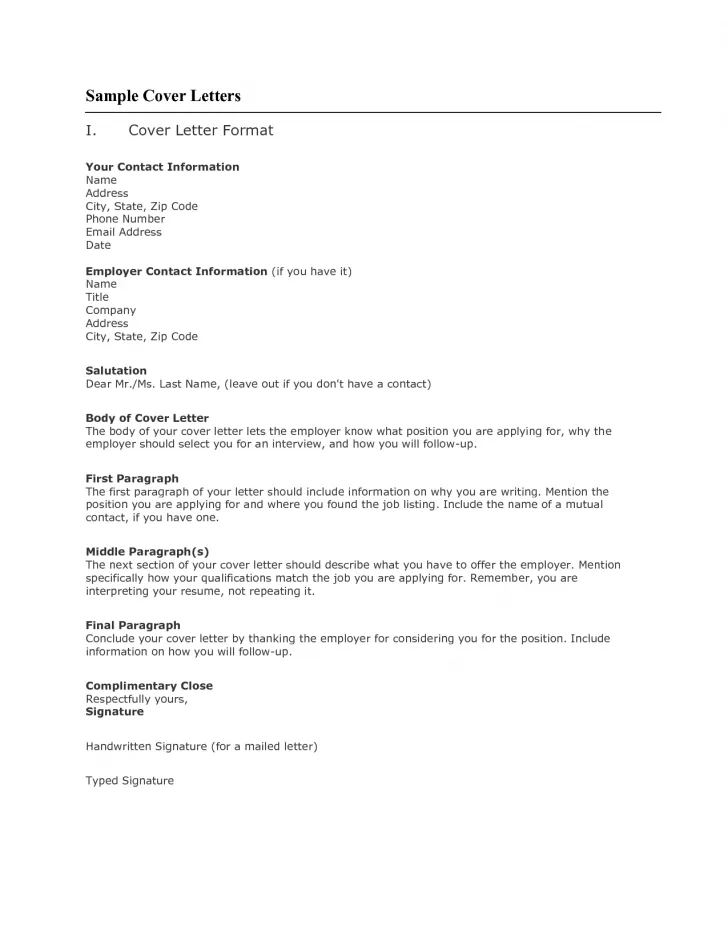
An effective cover letter is structured strategically to capture the reader’s attention and provide a comprehensive overview of your qualifications. Begin with a compelling opening paragraph that grabs the reader’s attention and states the position you’re applying for. Briefly explain why you’re interested in the role and the company. The body of the letter should highlight your relevant skills and experiences, showcasing how they align with the job requirements. Use specific examples to illustrate your accomplishments and quantify your results whenever possible. Show, don’t just tell, by providing concrete examples of your achievements. The closing paragraph should reiterate your interest in the position, express your gratitude for the reader’s time, and include a call to action, such as inviting them to contact you for an interview. Finally, always proofread your letter carefully to eliminate any errors in grammar, spelling, or punctuation. A well-organized and error-free cover letter demonstrates your attention to detail and professionalism.
Personalizing Your Cover Letter
Personalization is key to a successful cover letter. Avoid sending generic letters; instead, tailor each letter to the specific job and company. Begin by researching the company and the role. Understand their mission, values, and the specific requirements of the position. Address the hiring manager by name if possible. This demonstrates that you’ve taken the time to learn about the company and the opportunity. Reference specific aspects of the job description and explain how your skills and experience align with their needs. Use keywords from the job posting to showcase your relevance. Demonstrate your understanding of the company’s industry and goals, and explain how you can contribute to their success. By personalizing your cover letter, you show the employer that you’re genuinely interested in the role and have carefully considered how you can add value to their organization. This level of detail makes a significant impact, increasing your chances of getting noticed and advancing to the next stage of the hiring process.
Highlighting Your Skills and Experience

Your cover letter is an opportunity to showcase your skills and experience in a compelling way. Focus on the skills and experiences that are most relevant to the job you’re applying for. Review the job description carefully and identify the key skills and qualifications the employer is seeking. Then, use your cover letter to highlight how your previous experiences have equipped you with those skills. Use action verbs to describe your accomplishments and quantify your results whenever possible. Instead of simply listing your responsibilities, provide specific examples of how you’ve used your skills to achieve positive outcomes. For example, instead of writing “Managed social media accounts,” write “Increased social media engagement by 30% through strategic content planning and audience interaction.” Provide specific examples of projects you’ve worked on and the results you achieved. Use clear and concise language to ensure your qualifications are easily understood and demonstrate how you can bring value to the company.
Tailoring Your Cover Letter to the Job
Tailoring your cover letter to each job application is crucial for making a strong impression. Generic cover letters are easily recognized and often discarded. To tailor your letter, start by carefully reviewing the job description. Identify the key requirements, skills, and qualifications the employer is seeking. Next, analyze your own experiences and skills. Determine which of your qualifications align with the job requirements and which accomplishments are most relevant to the position. Use the job description to guide your writing. Mirror the language used in the job posting and incorporate relevant keywords. Avoid simply repeating the information in your resume; instead, provide context and explain how your skills and experiences relate to the specific role. Provide examples of how you’ve used your skills in the past to achieve positive results. Always customize your cover letter to reflect your understanding of the company and the specific role you are applying for. This level of detail and personalization demonstrates to the employer that you are serious about the opportunity and have carefully considered your fit for the position.
Showcasing Your Achievements
Your cover letter is the ideal space to showcase your achievements, setting you apart from other candidates. Instead of simply listing your responsibilities, use the STAR method (Situation, Task, Action, Result) to illustrate your accomplishments. Briefly describe the situation you were in, the task you needed to accomplish, the action you took, and the results you achieved. Quantify your accomplishments whenever possible. For instance, instead of stating “Improved customer service,” write “Reduced customer complaints by 15% by implementing a new training program.” Providing specific examples of your achievements helps demonstrate the value you can bring to the company. Highlight any awards, recognition, or positive feedback you’ve received. Focus on achievements that are relevant to the job you’re applying for. By highlighting your accomplishments, you show the employer that you are a results-oriented individual who can make a positive impact on their organization. Use concrete examples to provide compelling evidence of your capabilities and how you can contribute to their goals.
Proofreading and Formatting Your Cover Letter

Proofreading and formatting are essential steps in creating a professional cover letter. Errors in grammar, spelling, or punctuation can create a negative impression, suggesting a lack of attention to detail. Before submitting your cover letter, carefully proofread it multiple times. Use a spell checker and grammar checker, but also read the letter aloud to catch any awkward phrasing or missing words. Ask a friend or colleague to proofread your letter as well; a fresh pair of eyes can often catch errors you may have missed. Pay attention to formatting. Use a clear and professional font, such as Times New Roman, Arial, or Calibri, and maintain consistent formatting throughout the letter. Use standard margins and ensure that your letter is easy to read. Divide your content into short, well-organized paragraphs to improve readability. Make sure your contact information is accurate and up-to-date. A well-formatted and error-free cover letter shows that you are professional and detail-oriented, qualities that are highly valued by employers. The extra effort you put into these details can significantly increase your chances of getting noticed.
Common Cover Letter Mistakes and How to Avoid Them
Several common mistakes can undermine the effectiveness of a cover letter. Avoid using a generic cover letter; always tailor your letter to the specific job and company. Don’t simply repeat the information from your resume; instead, provide context and expand on your qualifications. Avoid using overly formal or informal language, and maintain a professional tone throughout your letter. Don’t focus solely on what you want; instead, emphasize how your skills and experiences align with the job requirements and how you can contribute to the company’s success. Avoid any spelling, grammar, or punctuation errors. Always proofread your cover letter carefully before submitting it. Avoid being negative or critical of previous employers or experiences. Keep your cover letter concise and focused; ideally, it should be no more than one page long. Avoid any excessive use of jargon or clichés. Finally, ensure your contact information is accurate and easily accessible. By avoiding these common mistakes, you can create a cover letter that effectively showcases your qualifications and increases your chances of getting an interview.
Using Action Verbs
Using strong action verbs in your cover letter can make your qualifications more impactful. Action verbs immediately convey your accomplishments and help you stand out. Instead of using passive phrases, use action verbs to describe your skills and experiences. For example, instead of writing “Was responsible for project management,” write “Managed project budgets and timelines, resulting in on-time completion.” Start your sentences with strong action verbs like “achieved,” “managed,” “created,” “developed,” “led,” “implemented,” or “improved.” When highlighting your skills, use action verbs to show what you did, how you did it, and the results you achieved. Tailor your verb choices to the specific job requirements. Review the job description and incorporate action verbs that reflect the desired skills. This demonstrates that you understand the role and can perform the necessary tasks. Make your writing more dynamic and engaging by incorporating action verbs. This makes your cover letter more compelling and memorable.
Maintaining a Professional Tone

Maintaining a professional tone throughout your cover letter is essential for creating a positive impression. Your writing style should reflect your professionalism and respect for the hiring manager. Use formal language and avoid slang, jargon, or overly casual phrasing. Address the hiring manager by name, if possible. This shows that you have taken the time to personalize your letter. Be enthusiastic, but avoid sounding overly eager or desperate. Keep your language clear, concise, and to the point. Avoid using long, complex sentences that are difficult to understand. Demonstrate your knowledge of the company and the role, but avoid any arrogance or overconfidence. Proofread your cover letter carefully to ensure that it’s free of any grammatical errors or spelling mistakes. Your professionalism is communicated through your words, as well as how you structure your sentences and how you format your letter. A professional tone shows that you’re serious about the opportunity and that you have the skills and experience to succeed in the role. This is critical to increasing your chance of an interview.
Finalizing and Submitting Your Cover Letter
The final steps in preparing your cover letter are finalizing and submitting it correctly. Before submitting, review your cover letter one last time for any errors. Make sure all your contact information is accurate and up to date. Ensure the letter is properly formatted and easy to read. Save your cover letter in a professional format, such as a PDF. This ensures that your formatting will remain consistent when the hiring manager opens the document. When submitting, follow the application instructions carefully. If the job posting specifies a particular format or method of submission, be sure to adhere to those guidelines. If you’re submitting your cover letter electronically, make sure your email address is professional. Personalize the subject line of your email to reflect the job title and your name. Consider including a brief, concise message in the body of your email to restate your interest and briefly highlight your key qualifications. Once you’ve submitted your cover letter, be patient and follow up appropriately. If you haven’t heard back within the timeframe indicated in the job posting, you can send a polite follow-up email. By taking these final steps, you increase your chances of getting your application noticed and securing an interview.