Cover Letter Essentials for Resume Emails
In the digital age, your cover letter serves as your initial handshake in the professional world. When submitting your resume via email, a well-crafted cover letter is not just a formality; it’s a crucial tool to capture the hiring manager’s attention and set you apart from other candidates. It provides context to your resume, allowing you to expand on your qualifications, demonstrate your enthusiasm for the role, and showcase your personality. Understanding the essentials of a compelling cover letter is paramount to landing your dream job. The cover letter’s effectiveness hinges on clarity, relevance, and a strong understanding of the recipient’s needs.
Why a Cover Letter Matters
A cover letter bridges the gap between your resume’s facts and your personal story. It’s your opportunity to express your passion for the specific job and the company, while also elaborating on experiences or skills that might not be fully evident in your resume. Many hiring managers skim through applications quickly, and the cover letter is often the first impression. A well-written cover letter can instantly make you stand out by highlighting why you are the ideal candidate. A well-written cover letter can distinguish you from the crowd. Think of it as your personal sales pitch, designed to convince the employer that you’re the right fit for the position and the company culture.
Highlighting Skills & Experience

The most effective cover letters don’t just repeat your resume; they expand upon it. Carefully select a few key skills and experiences that align with the job requirements. Instead of simply listing them, use the cover letter to provide context and depth. Share a specific example that demonstrates how you utilized those skills to achieve a positive outcome in a previous role. Quantify your achievements whenever possible, using numbers and data to show the impact of your contributions. This helps the hiring manager immediately understand your value proposition. Focus on experiences most relevant to the target job.
The Purpose of a Cover Letter
The fundamental purpose of a cover letter is to convince the employer to read your resume and consider you for an interview. It serves as a preview of your capabilities and a glimpse into your personality. A cover letter that clearly articulates your understanding of the role, your relevant skills, and your enthusiasm for the company increases your chances of getting noticed. It’s also an opportunity to address any potential concerns or gaps in your resume. For example, you can explain a career transition or a period of unemployment. A well-written cover letter can increase the likelihood of an interview invitation.
How to Structure Your Cover Letter for Resume Email
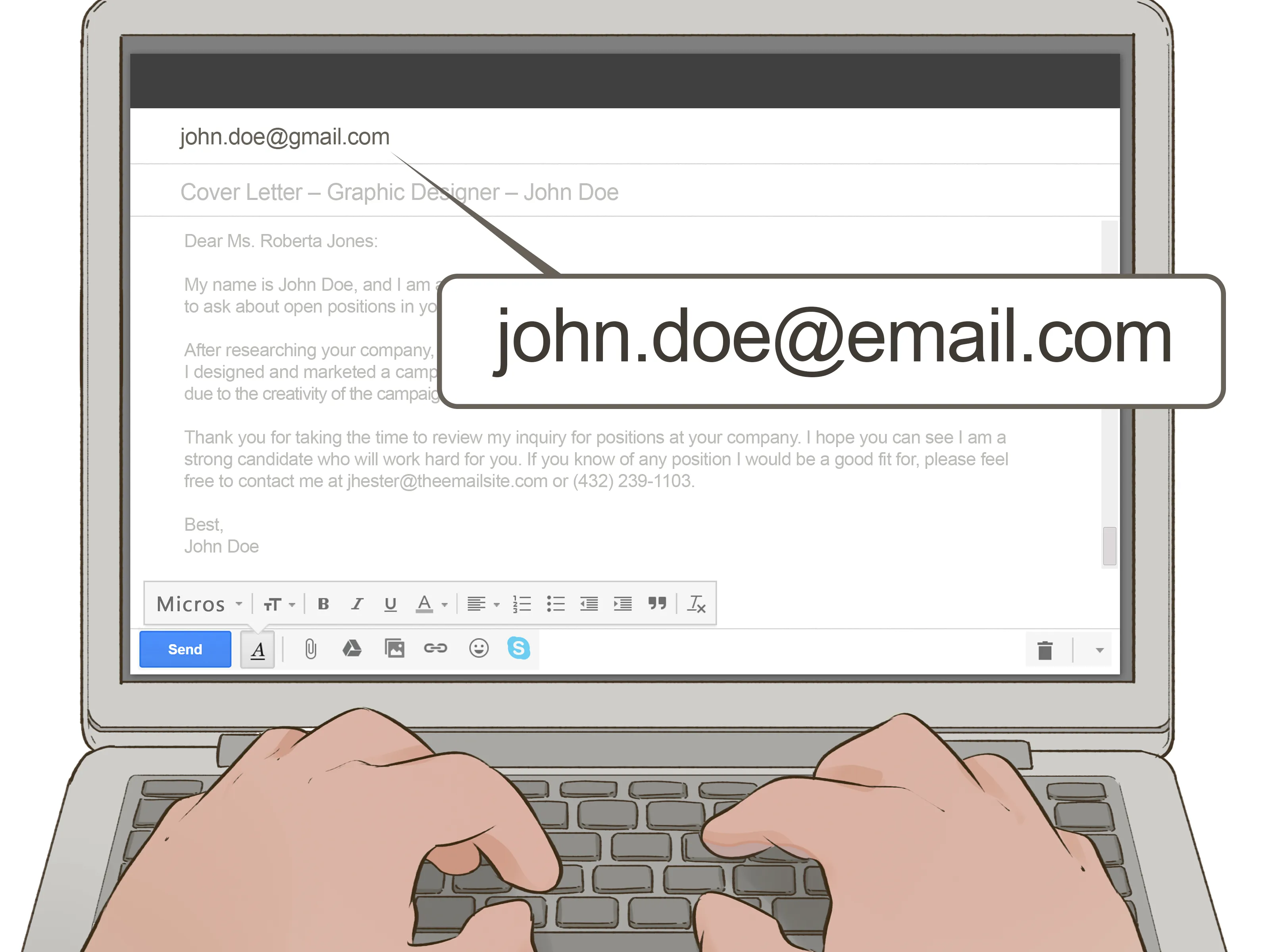
Structuring your cover letter effectively is vital for capturing the reader’s attention and making a positive impression. A clear, concise structure allows the hiring manager to quickly grasp your qualifications and understand why you are a good fit for the role. A well-organized cover letter ensures your key points are easy to find. Start with a compelling subject line, a personalized greeting, and a brief introduction that states the position you’re applying for and how you heard about it. This is followed by body paragraphs that highlight your relevant skills and experiences. End with a call to action and a professional closing, including your contact information. This structure maximizes the impact of your application.
Email Subject Line Best Practices

The email subject line is the first thing a hiring manager sees. It’s your initial opportunity to make a strong impression. Keep the subject line clear, concise, and professional. Always include the job title and your name. Avoid vague subject lines that might get lost in a crowded inbox. For example, “Application for Marketing Manager Position – Jane Doe” is far more effective than simply “Resume.” Tailor the subject line to match the specific job description. In some cases, you may be asked to use a specific subject line format in the job posting, and it’s essential to follow these instructions to demonstrate your attention to detail.
Greeting and Introduction
Start your cover letter with a professional greeting, such as “Dear Mr./Ms. [Last Name],” if you know the hiring manager’s name. Addressing the recipient by name shows that you have taken the time to research the company and the role. If you can’t find the hiring manager’s name, opt for a general greeting like “Dear Hiring Manager.” In the introduction, immediately state the position you are applying for and where you found the job posting. Briefly mention why you are interested in the role and the company. Aim to make a positive first impression that captures the reader’s attention. Focus on what makes you stand out and your excitement for the opportunity.
Body Paragraphs Content
The body paragraphs are the core of your cover letter. This is where you elaborate on your skills, experience, and qualifications, demonstrating how they align with the job requirements. Choose a few key accomplishments that are most relevant to the position and provide specific examples of how you achieved them. Use the STAR method (Situation, Task, Action, Result) to structure your examples, providing a clear and concise narrative. Focus on quantifiable achievements whenever possible, using numbers and data to illustrate the impact of your contributions. The goal is to showcase your value and demonstrate your ability to succeed in the role.
Tailoring to the Job Description

Carefully review the job description and identify the key skills, qualifications, and requirements. Tailor your cover letter to address these specific needs. Customize your letter to match the language and keywords used in the job posting. Show how your skills and experience directly address the company’s needs and objectives. Highlight how you have successfully applied your skills in previous roles. This demonstrates your understanding of the role and your ability to contribute to the company’s success. Customize each cover letter for each job.
Quantifying Achievements
Quantifying your achievements adds credibility to your claims and makes your cover letter more impactful. Whenever possible, use numbers, data, and metrics to illustrate your accomplishments. Instead of saying “Improved sales,” say “Increased sales by 15% in one quarter.” Instead of saying “Managed a team,” specify the team’s size and responsibilities. Use specific examples and data to support your claims. This demonstrates your ability to make a tangible impact. Quantitative achievements provide concrete evidence of your value.
Call to Action
Conclude your cover letter with a clear call to action. Express your interest in the position and reiterate your enthusiasm for the opportunity. State that you are eager to learn more and discuss how your skills and experience align with the company’s needs. Make it easy for the hiring manager to take the next step. Provide your contact information again, including your phone number and email address. A strong call to action encourages the hiring manager to reach out to you. Make your next step explicit, such as requesting an interview.
Closing and Contact Information

Use a professional closing, such as “Sincerely,” “Best regards,” or “Thank you for your consideration.” Include your full name, phone number, and email address. If you have a professional online profile (e.g., LinkedIn), include a link to it. Double-check your contact information to ensure it is accurate and up-to-date. Make sure your contact information is easy to find. Providing complete contact information ensures the hiring manager can easily reach you.
Formatting Your Cover Letter for Resume Emails
Proper formatting is crucial for making your cover letter easy to read and visually appealing. A well-formatted cover letter reflects professionalism and attention to detail. Use a clear and consistent format that enhances readability. Choose a professional font, use appropriate spacing, and ensure the letter is free of any distracting elements. Poor formatting can detract from your message. Formatting should enhance the overall impact of your cover letter.
File Format Recommendations
Save your cover letter as a PDF to ensure that the formatting remains consistent across different devices and operating systems. PDFs preserve the layout, font, and design of your document. Avoid sending your cover letter as a .doc or .docx file unless specifically requested in the job posting. PDFs are universally compatible. Ensure your file name is professional and includes your name and the job title (e.g., “JaneDoe_CoverLetter_MarketingManager.pdf”).
Font and Readability

Choose a professional and easy-to-read font, such as Times New Roman, Arial, Calibri, or Helvetica. Use a font size between 10 and 12 points for the body text and 12-14 points for headings and your name. Use a consistent font throughout your cover letter. Avoid using overly fancy or decorative fonts that can be difficult to read. Pay attention to spacing and margins to ensure the text is not cramped. Use appropriate line spacing (1.15 or 1.5) and margins (1 inch on all sides) to enhance readability. Remember, readability is key.
Proofreading and Editing
Proofreading is essential for ensuring your cover letter is free of errors. Typos, grammatical errors, and inconsistencies can detract from your professionalism and undermine your credibility. Carefully proofread your cover letter multiple times, paying close attention to spelling, grammar, punctuation, and sentence structure. Read your cover letter aloud to catch any awkward phrasing or sentence structure. Consider having a friend, family member, or career advisor review your cover letter for clarity and accuracy. Proofreading is the final step before submitting your application, so make sure you proofread. Correcting any errors before sending is the best practice.
Common Mistakes to Avoid
Avoiding common mistakes in your cover letter can significantly improve your chances of landing an interview. Some errors can immediately disqualify you from consideration. Make sure your cover letter is professional, well-written, and tailored to the specific job requirements. Pay attention to the details and make sure you avoid these common pitfalls.
Generic Cover Letters

Using a generic cover letter that is not tailored to the specific job is one of the biggest mistakes you can make. Generic cover letters are easily identifiable and demonstrate a lack of interest in the role and the company. Customize your cover letter to the job description. Tailor the content to the specific job requirements and the company’s values. Show the hiring manager that you’ve done your research and understand what they are looking for. Customize each letter for each job.
Typos and Grammatical Errors
Typos and grammatical errors can create a negative first impression and suggest a lack of attention to detail. Proofread your cover letter carefully for any spelling, grammatical, or punctuation mistakes. Use a spell checker and grammar checker, but don’t rely on them entirely. Read your cover letter aloud to catch any awkward phrasing or sentence structure. Ask a friend, family member, or career advisor to review your letter for clarity and accuracy. Proofread multiple times to minimize errors. Proofreading is the final step.
Ignoring the Job Requirements
Failing to address the specific requirements outlined in the job description can significantly reduce your chances of getting hired. Carefully review the job description and identify the key skills, qualifications, and experiences the employer is seeking. Tailor your cover letter to highlight how your qualifications align with these requirements. Use the same keywords and phrases from the job description to demonstrate your understanding of the role. Ignoring these requirements shows you may not be the ideal fit. Make sure you have addressed the job requirements.