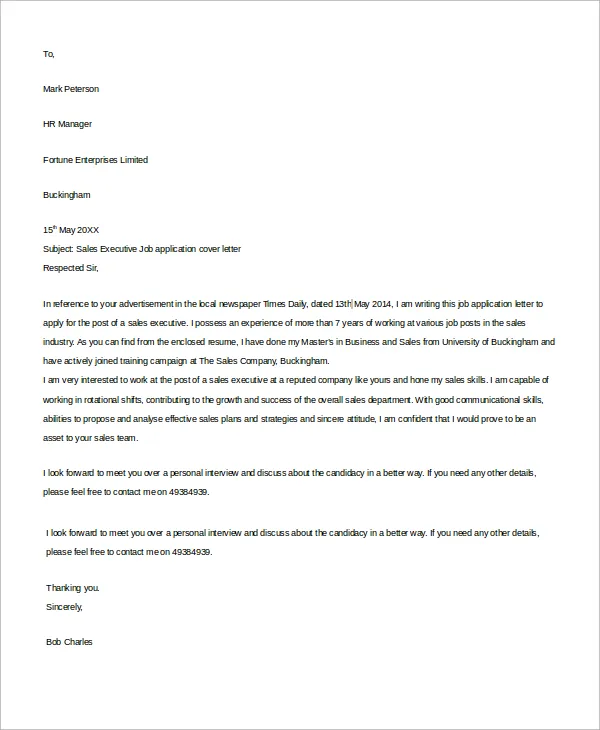
Cover Letter Writing Unveiled
In the competitive job market, a compelling cover letter is your key to unlocking career opportunities. It’s your first impression, a chance to showcase not just your skills and experience, but also your personality and enthusiasm. This guide delves into the secrets of cover letter writing, providing you with the knowledge and strategies needed to create a cover letter that grabs attention and lands you the job. From understanding its importance to mastering its structure and content, we’ll equip you with the tools to craft a cover letter that sets you apart. Prepare to transform your job application and increase your chances of getting hired.
Why a Cover Letter Matters
A well-written cover letter is more than just an addendum to your resume; it’s a powerful tool that can significantly boost your job application. It offers a platform to highlight your unique value proposition, connecting your skills and experience directly to the specific requirements of the role. Unlike a resume, which provides a factual overview, a cover letter allows you to tell a story, explaining why you’re the perfect fit for the company and the position. It also demonstrates your communication skills, attention to detail, and genuine interest in the opportunity, all crucial elements that can sway a hiring manager’s decision in your favor. In essence, your cover letter is your chance to make a lasting impression and secure an interview.
Highlighting Your Skills

When crafting your cover letter, it’s crucial to spotlight your skills. This is not merely a list; it’s about demonstrating how your abilities align with the job’s demands. Start by carefully reviewing the job description, identifying the key skills the employer is seeking. Then, provide concrete examples of how you’ve utilized these skills in previous roles or projects. This could include technical proficiencies, such as software or coding languages, or soft skills like communication, problem-solving, and leadership. For each skill you mention, briefly explain the context in which you used it and the positive outcomes you achieved. Remember, the goal is to show, not just tell, the hiring manager what you can do.
Showcasing Relevant Experience
Your cover letter is the perfect platform to elaborate on your relevant experience. Go beyond simply listing your past jobs and responsibilities; instead, delve into the specifics of what you accomplished in each role. Use the STAR method (Situation, Task, Action, Result) to structure your examples, providing a clear narrative of your contributions. Describe the situations you faced, the tasks you undertook, the actions you took to address them, and the results you achieved. Quantify your achievements whenever possible, using numbers and data to demonstrate the impact of your work. This approach not only showcases your capabilities but also provides concrete evidence of your value to a potential employer.
Tailoring Your Cover Letter
One of the most critical secrets to effective cover letter writing is tailoring your letter to each specific job application. Generic cover letters, while easier to create, rarely make a lasting impression. Instead, take the time to research the company, understand the role’s requirements, and customize your letter to align with these specifics. This involves highlighting the skills and experiences most relevant to the position, using the same keywords found in the job description, and demonstrating a genuine interest in the company’s mission and values. Tailoring your cover letter shows the hiring manager that you’ve invested time and effort, signaling your strong desire to join their team.
Researching the Company

Before you start writing, dedicate time to research the company. Visit their website, read their mission statement, and browse their social media profiles. This will give you insights into their culture, values, and recent projects. Identify key information, such as their target market, the problems they’re solving, and their overall goals. Then, weave this information into your cover letter, demonstrating that you understand their business and are genuinely interested in contributing to their success. Mention specific products, services, or initiatives that resonate with you, and explain how your skills and experience align with their needs. This level of personalization can significantly increase your chances of being noticed.
Matching Skills to Requirements
Carefully analyze the job description to identify the essential skills and qualifications the employer is seeking. Make a list of these requirements and then go through your resume and experience, matching your skills to the stated needs. In your cover letter, explicitly address these requirements, providing concrete examples of how you’ve demonstrated these skills in the past. Use the same keywords and phrases from the job description to make it easy for the hiring manager to see the connection between your qualifications and their needs. By directly addressing the requirements and providing compelling evidence of your abilities, you significantly increase your chances of getting an interview.
Cover Letter Structure
A well-structured cover letter guides the reader through your key qualifications and makes a strong case for your candidacy. A standard cover letter typically includes a header, an opening paragraph, body paragraphs, and a closing paragraph with a call to action. Each section serves a specific purpose and contributes to the overall impact of your letter. A clear and logical structure makes your letter easy to read and allows the hiring manager to quickly grasp your key strengths and why you’re the right fit for the job.
The Header Section

The header of your cover letter should be clean, professional, and easy to read. It typically includes your name, address, phone number, and email address. You can also include the date and the recipient’s name, title, and company address. Ensure that the contact information is accurate and up-to-date. Using a professional-looking font and format in your header sets the tone for the rest of your letter. Correct formatting in the header demonstrates your attention to detail and commitment to professionalism, qualities that employers highly value.
The Opening Paragraph
The opening paragraph is your first opportunity to capture the reader’s attention. It should be concise, compelling, and clearly state the purpose of your letter – to express your interest in a specific job. Mention the position you’re applying for and where you saw the job posting. You can also briefly highlight your most relevant qualifications or express your enthusiasm for the opportunity. Avoid generic phrases and instead, aim to create an engaging opening that immediately grabs the hiring manager’s attention and encourages them to read further.
The Body Paragraphs
The body paragraphs form the core of your cover letter. In these sections, you’ll provide details about your skills, experience, and accomplishments, linking them directly to the job requirements. Use the STAR method or similar storytelling techniques to showcase your abilities and provide concrete examples of your past achievements. Highlight your key accomplishments, quantify your results whenever possible, and demonstrate your understanding of the company’s needs. Keep each paragraph focused on a specific point and ensure a smooth flow of information. The body paragraphs should be persuasive, informative, and designed to convince the hiring manager that you are the best candidate for the role.
The Closing Paragraph

The closing paragraph is your last chance to leave a positive impression. Reiterate your interest in the position and briefly summarize your key qualifications. Express your gratitude for the reader’s time and consideration. Clearly state your intention to follow up and how you can be reached. End with a professional closing, such as “Sincerely” or “Best regards,” followed by your typed name. The closing paragraph should be concise, confident, and leave the reader with a clear understanding of your enthusiasm and how to contact you.
Call to Action
Include a clear call to action in your closing paragraph. This might be a statement about your availability for an interview or a confirmation that you’ll follow up within a specific timeframe. For instance, you could write, “I am eager to discuss my qualifications further and am available for an interview at your earliest convenience.” or “I will follow up with you next week to reiterate my interest.” The call to action signals your proactive approach and encourages the hiring manager to take the next step in the hiring process. Make it easy for them to know what you want them to do next.
Cover Letter Content
The content of your cover letter is what truly sets you apart. It’s not just about listing your skills and experience; it’s about crafting a compelling narrative that showcases your unique value proposition. By highlighting your key accomplishments, quantifying your results, and demonstrating enthusiasm for the role and company, you can create a cover letter that captures the hiring manager’s attention and secures you an interview. This is your chance to go beyond the facts presented in your resume and make a personal connection with the reader.
Key Accomplishments

Focus on showcasing your key accomplishments rather than simply listing job duties. Identify your most significant achievements in previous roles and describe them in detail. Use the STAR method to provide context, explain the actions you took, and highlight the positive results you achieved. Instead of saying “Managed social media accounts,” state “Increased social media engagement by 30% within six months by implementing a new content strategy.” This approach demonstrates your ability to deliver results and provides concrete evidence of your value to a potential employer. Select accomplishments that are directly relevant to the job requirements, demonstrating a clear connection between your skills and the needs of the role.
Quantifiable Results
Whenever possible, quantify your accomplishments to demonstrate their impact. Use numbers, percentages, and data to illustrate the positive outcomes of your work. For example, instead of saying “Improved customer satisfaction,” state “Increased customer satisfaction scores by 15% through the implementation of a new feedback system.” Quantifiable results provide tangible evidence of your capabilities and help hiring managers quickly understand the value you can bring to their organization. Be specific and include relevant metrics that showcase your contributions and achievements in previous roles.
Demonstrating Enthusiasm
Expressing genuine enthusiasm for the position and the company is crucial. Your cover letter should convey your excitement and interest in the opportunity. Mention specific aspects of the role or the company that appeal to you. Research the company’s mission, values, and recent projects, and explain why you’re excited to contribute to their success. Show that you’ve done your homework and are genuinely interested in the company culture and the position. Enthusiasm is contagious and can make a lasting impression on the hiring manager, setting you apart from other candidates.
Cover Letter Formatting

Proper formatting is essential for creating a professional and readable cover letter. Choose a clear font, use appropriate spacing, and keep the letter concise. Well-formatted cover letters are easier to read and demonstrate your attention to detail, which is an important quality in any job candidate. This is a key aspect of making a good first impression and ensuring that your letter is viewed positively.
Font and Readability
Select a professional and readable font, such as Times New Roman, Arial, or Calibri. Use a font size between 10 and 12 points to ensure that the text is easy to read. Maintain consistent formatting throughout the document, including font style, size, and spacing. Avoid using overly decorative or unusual fonts, as they can distract from the content. Proper font selection and consistent formatting contribute to the overall readability and professionalism of your cover letter, making it easier for the hiring manager to focus on your qualifications.
Length and Brevity
Keep your cover letter concise and to the point. Aim for one page in length. Focus on highlighting your most relevant skills and experiences. Avoid unnecessary details or lengthy descriptions. Hiring managers often have limited time to review applications, so it is important to make your cover letter easy to scan. Use clear and concise language, and organize your thoughts logically to ensure that your message is clear and effective. Brevity is key to keeping the reader engaged.
Proofreading and Editing

Proofreading and editing are essential steps in the cover letter writing process. Errors in grammar, spelling, and punctuation can undermine your credibility and negatively impact your chances of getting hired. Carefully review your cover letter multiple times, checking for any mistakes. It’s also helpful to have someone else proofread your letter to catch any errors you might have missed. Ensure that your letter is free of typos and grammatical errors. Proofreading shows you pay attention to detail, a crucial skill in any profession.
Common Mistakes to Avoid
Avoid common mistakes that can damage your application. This includes grammatical errors, generic cover letters, and the use of an unprofessional tone. These errors can create a negative impression and decrease your chances of getting an interview. By being aware of these mistakes, you can avoid making them and increase your chances of success. Take the time to check your cover letter carefully for any of these common pitfalls.
Grammar and Spelling Errors
Carefully proofread your cover letter for any grammar and spelling errors. These errors can make your application look unprofessional and undermine your credibility. Use spell-check and grammar-check tools, but also review the document manually. Enlist a friend or colleague to proofread your cover letter to catch any mistakes you might have missed. Attention to detail is crucial in the professional world, and a polished cover letter reflects your commitment to excellence.
Generic Cover Letters
Avoid using generic cover letters that could be sent to any company or position. Customize your letter to the specific job and company. Research the company and tailor your letter to highlight your skills and experience relevant to their needs. Generic cover letters demonstrate a lack of interest and effort, which can be detrimental to your application. Tailor your letter to show that you’ve taken the time to understand the position and are genuinely interested in the opportunity.
Using the Right Tone
Maintain a professional but enthusiastic tone throughout your cover letter. Avoid being overly formal or informal. Use a confident and positive tone, highlighting your skills and experience without being arrogant. Your tone should reflect your personality and demonstrate your genuine interest in the opportunity. Make sure that your cover letter sounds professional and enthusiastic; this will capture the reader’s attention.