Crafting a Compelling Creative Marketing Coordinator Cover Letter
A well-crafted creative marketing coordinator cover letter is your first impression on a potential employer. It’s your opportunity to showcase your skills, experience, and personality, setting you apart from other candidates. This guide will provide you with the essential components and strategies to create a cover letter that captures attention and lands you an interview. By following these guidelines, you can increase your chances of getting hired and kickstart your career in creative marketing. The goal is to demonstrate not just your qualifications, but also your enthusiasm and understanding of the role and the company’s needs.
Understanding the Role of a Creative Marketing Coordinator
Before you start writing, it’s crucial to understand the role of a creative marketing coordinator. This position often involves a blend of creativity, organizational skills, and marketing knowledge. Responsibilities can include developing and implementing marketing campaigns, managing social media, creating content, coordinating events, and analyzing marketing data. A strong candidate is typically someone who is innovative, detail-oriented, and able to communicate effectively. The job requires a proactive approach, the ability to work under pressure, and a passion for the marketing field. Knowing what the job entails will enable you to highlight the most relevant aspects of your experience and skills.
Highlighting Relevant Skills and Experience

Your cover letter should prominently feature the skills and experience that align with the creative marketing coordinator role. Focus on the core competencies most sought after by employers. Highlight your creativity, communication abilities, project management skills, and technical expertise. Specify any experience in content creation, social media management, graphic design, or email marketing. Back up your claims with concrete examples from your previous roles. This helps the hiring manager understand how your skills translate into tangible results and how you’ve contributed to previous successes. Emphasize your ability to work in a team and independently, demonstrating your adaptability and versatility.
Tailoring Your Cover Letter to the Job Description
Avoid using a generic cover letter; customize each one to match the specific requirements of the job description. Carefully review the job posting and identify the key skills and qualifications the employer is seeking. Incorporate keywords and phrases from the job description into your cover letter. This not only shows that you have taken the time to understand the role but also helps your application get through applicant tracking systems (ATS). By addressing the company’s specific needs and demonstrating how your qualifications align with their requirements, you will make your cover letter more relevant and impactful.
Key Elements of a Successful Cover Letter
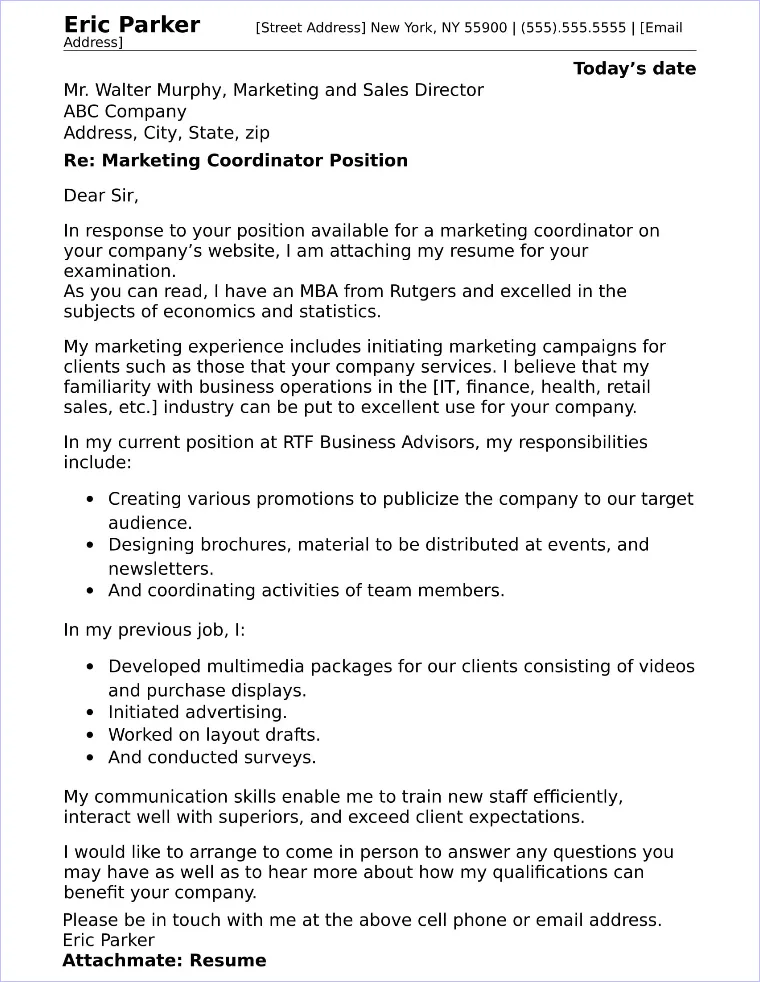
A successful cover letter includes several key elements. It should begin with a professional header that includes your contact information and the date. It should also have a formal salutation, addressing the hiring manager by name if possible. The body should briefly explain why you are applying for the position, how your skills and experience make you a strong candidate, and how you align with the company’s values and goals. The letter should conclude with a strong closing statement, expressing your enthusiasm and willingness to meet for an interview. Be sure to proofread your cover letter carefully for any errors in grammar or spelling.
The Importance of a Strong Opening

Your opening paragraph is crucial, as it sets the tone and grabs the reader’s attention. Start with a compelling hook that immediately captures the hiring manager’s interest. Briefly explain why you are interested in the position and the company. Consider using an enthusiastic statement about the role or mentioning a specific accomplishment that highlights your relevant skills. This shows initiative and enthusiasm, signaling your interest in the position. The goal is to make the hiring manager want to read the rest of your cover letter. Don’t be afraid to be creative and showcase your personality, as long as it remains professional.
Showcasing Your Achievements and Results
Instead of merely listing your responsibilities, focus on showcasing your achievements and the results you have delivered. Use the STAR method (Situation, Task, Action, Result) to structure your examples. Describe a specific situation, the task you were assigned, the actions you took, and the results of your efforts. This helps to demonstrate your impact and abilities. For example, instead of saying “Managed social media,” say “Managed social media, increasing follower engagement by 30% and driving a 15% increase in website traffic through targeted campaigns.” Highlighting your achievements and quantifying your accomplishments provides tangible evidence of your capabilities.
Quantifying Your Accomplishments
Quantifying your accomplishments makes your cover letter more compelling and credible. Whenever possible, use numbers and data to demonstrate the impact of your work. For instance, instead of saying “Improved email marketing campaigns,” you can say “Improved email marketing campaigns, resulting in a 20% increase in click-through rates and a 10% rise in conversions.” This approach allows hiring managers to understand the magnitude of your contributions. Quantifiable metrics are more persuasive and provide a clear understanding of your capabilities and the value you bring to a team. Provide hard data to make your claims more believable.
Demonstrating Your Creativity and Innovation

A creative marketing coordinator role requires innovation and creativity, so demonstrate these qualities in your cover letter. Provide examples of your creative projects, initiatives, and ideas that led to successful outcomes. Highlight your ability to think outside the box and develop innovative marketing strategies. Mention any experience with new technologies, platforms, or creative tools. Consider incorporating design elements or a unique layout to showcase your creative flair. The goal is to show how your creativity sets you apart and how you can bring fresh ideas to the company. Show how you approach challenges with creative solutions.
Highlighting Your Soft Skills
Soft skills are essential in the creative marketing field, so be sure to highlight them in your cover letter. Mention your communication, teamwork, problem-solving, and organizational skills. Provide examples of how you have used these skills in previous roles. For example, discuss how you effectively communicated with team members or stakeholders to deliver successful projects. Talk about how you have solved complex problems through creative strategies. Demonstrating your soft skills proves your ability to thrive in a team environment and contribute positively to the company culture. These qualities make you a well-rounded candidate.
Formatting and Structure for Impact
The formatting and structure of your cover letter can significantly affect its impact. Use a professional, easy-to-read font, such as Arial or Times New Roman. Keep the letter concise and focused, aiming for one page. Use clear headings and bullet points to break up large blocks of text, making it easier to read. Use a consistent layout and ensure that your content is well-organized. Pay attention to spacing and margins to create a visually appealing document. A well-formatted cover letter shows that you are organized and detail-oriented. Clear formatting enhances readability and allows the hiring manager to quickly grasp the key points.
Proofreading and Editing Your Cover Letter

Proofreading and editing your cover letter is a critical step in the writing process. Ensure your letter is free of grammatical errors, spelling mistakes, and typos. Errors can undermine your credibility and make a negative impression. Read your cover letter multiple times and consider asking a friend, colleague, or family member to review it. Use grammar and spell-checking tools. Pay close attention to punctuation and sentence structure. A polished and error-free cover letter demonstrates attention to detail, professionalism, and your commitment to quality. Thorough proofreading is essential for a successful job application.
Closing Your Cover Letter with Confidence
End your cover letter with a confident and compelling closing statement. Reiterate your interest in the position and the company. Express your enthusiasm for the opportunity and thank the hiring manager for their time and consideration. Include a call to action, such as stating your availability for an interview. Reiterate your eagerness to discuss your qualifications further. A strong closing reinforces your professionalism and leaves a lasting positive impression. A good closing statement reiterates your interest and leaves a positive impression.
Including a Call to Action
A call to action prompts the hiring manager to take the next step. In your closing, explicitly state your desire to interview for the position. Express your availability and willingness to discuss your qualifications further. For example, you can write: “I am eager to discuss my qualifications in more detail and am available for an interview at your earliest convenience.” This direct approach shows that you are proactive and eager to move forward. Including a call to action strengthens your cover letter and increases your chances of getting an interview. This directs the hiring manager on what they should do next.
Tips for Making Your Cover Letter Stand Out

To make your cover letter stand out, consider incorporating several strategies. Showcase your personality and passion for the role. Include unique details that are relevant to the job, but not found in your resume. Demonstrate your knowledge of the company, and highlight how your skills and experience align with the organization’s goals. Use design elements sparingly if appropriate, and emphasize the value you bring to the table. Make sure the cover letter reflects you as a person and show how you fit into the company culture. Adding creativity to your letter is encouraged, but it’s essential to remain professional.
Researching the Company and Its Culture
Researching the company is a critical part of the cover letter writing process. Explore the company’s website, social media profiles, and recent news articles to understand its mission, values, and culture. This knowledge will help you tailor your cover letter to align with the company’s specific needs and expectations. Mention the company’s recent projects, achievements, or industry trends to show that you have done your homework. By demonstrating your knowledge and interest in the company, you show that you are truly invested in the opportunity. Showing you know the company demonstrates genuine interest in the role.
Using Action Verbs to Describe Your Experience
Use strong action verbs to describe your experience and accomplishments in your cover letter. This makes your descriptions more dynamic and impactful. Instead of saying “Responsible for social media,” say “Managed social media campaigns, resulting in a 25% increase in follower engagement.” Use verbs like “created,” “developed,” “implemented,” “managed,” “led,” “achieved,” “improved,” and “increased.” Action verbs show you are an active and results-oriented individual. They also add energy and clarity to your writing, making your cover letter more engaging for the hiring manager. Active language demonstrates your accomplishments.
Addressing the Hiring Manager Directly

If possible, address the hiring manager by name in your cover letter. This personal touch shows that you have taken the time to research the company and the position. It can make your cover letter stand out from others. If you can’t find the hiring manager’s name, use a general greeting such as “Dear Hiring Team” or “Dear [Department Name] Hiring Manager.” Avoid generic greetings like “To Whom It May Concern.” Addressing the hiring manager directly makes your application feel more personal and shows your attention to detail. This shows that you have put in the effort to make a connection.
Examples of Strong Cover Letter Phrases
Incorporating strong phrases in your cover letter can enhance its impact. Some examples include: “I am enthusiastic about the opportunity to…”, “My skills and experience align perfectly with…”, “I am confident that I can contribute to…”, “I am excited to bring my expertise in…”, and “I am eager to learn more about…” Tailor these phrases to fit your specific experience and the requirements of the job description. Using powerful, relevant language can make a strong impression. These phrases help make your cover letter more convincing and engaging.
Reviewing Sample Cover Letters for Inspiration
Reviewing sample cover letters can provide valuable inspiration and guidance. Look for examples that are relevant to your field and the specific role you are applying for. Analyze the structure, tone, and language used in the sample cover letters. Adapt the best elements to your own cover letter, ensuring that it reflects your unique skills and experience. Use these samples as a starting point, customizing them to fit your individual needs and the specific requirements of the job. This strategy can help you avoid common mistakes and strengthen your cover letter.