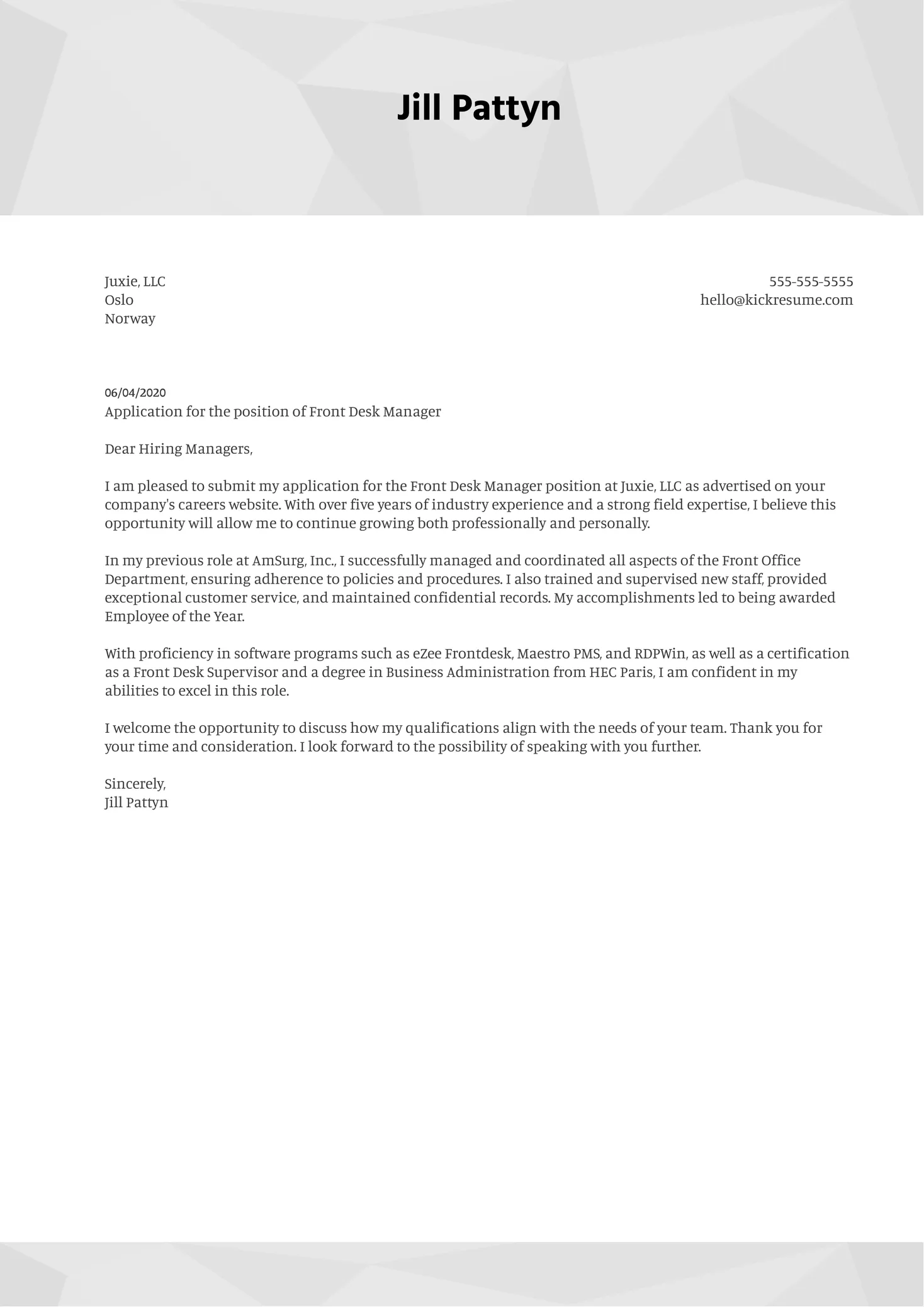
Crafting the Perfect Entry Level Office Manager Cover Letter
Landing your first role as an Office Manager is an exciting step in your career. A well-crafted cover letter is your first opportunity to impress a potential employer and secure an interview. It’s your chance to showcase your skills, highlight your relevant experience, and demonstrate why you are the perfect fit for the position. This guide will walk you through every step of creating a compelling cover letter that grabs the attention of hiring managers and helps you stand out from other applicants. Mastering the art of writing an effective cover letter is crucial. It’s not just a formality; it’s a strategic tool to make a strong first impression. This is especially true for entry-level positions where competition can be fierce. Let’s explore the key components of a successful entry level office manager cover letter, ensuring you make the best possible impression.
Highlighting Your Skills and Qualifications
When writing your cover letter, it’s essential to emphasize the skills and qualifications that align with the job description. Office management requires a diverse set of skills, including strong organizational abilities, excellent communication skills, proficiency in Microsoft Office Suite (Word, Excel, PowerPoint), and the ability to multitask. Start by listing the key skills mentioned in the job posting. Then, provide specific examples of how you have utilized these skills in previous roles or during your education. If you possess any certifications, such as those in office administration or project management, make sure to mention them. Quantify your achievements whenever possible. For example, instead of saying ‘managed office supplies,’ state ‘managed and maintained inventory of office supplies, resulting in a 15% reduction in monthly costs.’ This demonstrates to the employer that you understand what they need.
Showcasing Relevant Experience

Even if you’re applying for an entry-level position, it’s likely you have some relevant experience, whether from internships, volunteer work, or part-time jobs. Think about any experience where you demonstrated organizational skills, managed tasks, interacted with clients or customers, or handled administrative duties. In your cover letter, describe these experiences concisely, highlighting the skills you used and the results you achieved. For instance, if you volunteered at a non-profit, describe how you assisted with administrative tasks, managed phone calls, or coordinated events. If you have little to no directly related work experience, focus on transferable skills. These could include time management, problem-solving, communication, and the ability to work independently and as part of a team. Tailor the language of your cover letter to match the job description. If the job posting emphasizes customer service skills, make sure to highlight those skills and experiences that demonstrate your ability to interact with customers.
Addressing the Employer’s Needs
A successful cover letter is not just about you; it’s about how you can meet the employer’s needs. Carefully read the job description to understand the company’s requirements and expectations. Identify the key responsibilities and challenges of the role and address them in your cover letter. For instance, if the job posting mentions the need for someone who can manage office budgets, highlight your experience in handling finances or managing expenses. If they are seeking someone with strong communication skills, provide examples of how you have successfully communicated with clients, colleagues, or vendors. Demonstrating that you understand the employer’s needs and can provide solutions is crucial. By addressing their specific requirements, you show that you have taken the time to understand the role and are confident in your ability to perform the job effectively. This proactive approach sets you apart from other applicants.
Researching the Company
Before writing your cover letter, research the company to show your genuine interest in the position. Visit their website, read about their mission and values, and understand their products or services. This research will help you tailor your cover letter to reflect your understanding of the company and its culture. In your cover letter, you can briefly mention something you admire about the company, such as their commitment to sustainability, their innovative approach, or their positive work environment. This demonstrates that you have gone the extra mile to learn about the organization and are genuinely interested in joining their team. It also shows you have initiative and a proactive approach, making you a more attractive candidate. Understanding the company culture and values will help you align your skills and experiences with their needs.
Tailoring Your Cover Letter

Avoid using a generic cover letter template. Tailor your cover letter to each specific job application. While it may take more time, customizing your letter will significantly increase your chances of getting noticed. Carefully review the job description and identify the key requirements and desired skills. Then, use the cover letter to demonstrate how your qualifications align with the specific needs of the role. Mention the company by name and reference any specific projects, initiatives, or aspects of the company that resonate with you. This personalized approach shows that you are genuinely interested in the opportunity. Instead of simply restating your resume, use the cover letter to elaborate on your experiences, providing more context and detail. The cover letter is your chance to make a connection with the hiring manager by showing how you would fit into the company’s culture.
Writing a Strong Opening Paragraph
The opening paragraph is your opportunity to grab the reader’s attention and make a positive first impression. Start with a strong, engaging statement that highlights your enthusiasm for the position and the company. Briefly state the position you are applying for and where you found the job posting. Then, immediately showcase a key skill or accomplishment that aligns with the job requirements. This quickly demonstrates your value to the employer. Avoid generic opening statements such as ‘I am writing to apply for the position.’ Instead, try something like ‘I am excited to apply for the Entry Level Office Manager position at [Company Name], as I have a proven track record of organizing and streamlining office processes, as demonstrated in my previous role at [Previous Company].’ This immediately tells the employer who you are and what you bring to the table.
Writing the Body Paragraphs
The body paragraphs of your cover letter should provide more detail about your skills, experience, and how they align with the job requirements. Use these paragraphs to expand on the information in your resume and showcase your accomplishments. For each paragraph, focus on a specific skill or experience mentioned in the job description. Provide concrete examples and quantify your achievements whenever possible. For instance, if the job description mentions the need for someone with strong organizational skills, describe a project where you successfully organized and managed multiple tasks, resulting in a positive outcome. Use action verbs to describe your responsibilities and accomplishments. Avoid long, dense paragraphs. Break up the text with bullet points or short paragraphs to improve readability. The aim is to make it easy for the hiring manager to understand your qualifications.
Structuring Your Cover Letter Effectively

A well-structured cover letter makes it easy for the hiring manager to quickly understand your qualifications and skills. The standard format includes an introductory paragraph, two to three body paragraphs, and a closing paragraph. In the introductory paragraph, state the position you are applying for and briefly introduce yourself. The body paragraphs should highlight your relevant skills and experience, using specific examples and accomplishments. In the closing paragraph, reiterate your interest in the position, summarize your key qualifications, and include a call to action. Keep the letter concise and focused, typically no more than one page. Use clear and concise language throughout the letter. Ensure each paragraph addresses a specific point and contributes to the overall message of the letter. Proper formatting enhances readability and demonstrates attention to detail.
Including Keywords and Action Verbs
To ensure your cover letter gets noticed, incorporate keywords from the job description. Many employers use applicant tracking systems (ATS) to screen applications, and these systems often scan for specific keywords. Review the job posting and identify the key skills, qualifications, and responsibilities. Then, strategically include these keywords throughout your cover letter. Use action verbs to describe your accomplishments and responsibilities. Action verbs make your cover letter more engaging and demonstrate your skills and abilities. Instead of saying ‘Responsible for managing office supplies,’ try ‘Managed and optimized office supply inventory, reducing costs by 15%.’ This shows the hiring manager what you did and the results you achieved. Some examples of strong action verbs include ‘managed,’ ‘organized,’ ‘coordinated,’ ‘implemented,’ ‘streamlined,’ and ‘achieved.’
Formatting Your Cover Letter Professionally
The appearance of your cover letter is as important as its content. A well-formatted cover letter demonstrates professionalism and attention to detail. Use a clean, easy-to-read font such as Times New Roman, Arial, or Calibri. Keep the font size between 10 and 12 points. Use single-spacing within paragraphs and double-spacing between paragraphs. Use left alignment for the body of the letter. Include your contact information at the top of the letter, including your name, phone number, email address, and LinkedIn profile (if applicable). Address the letter to the hiring manager by name, if possible. If you cannot find the name, use a professional salutation such as ‘Dear Hiring Manager.’ Avoid using clichés or overly casual language. Maintain a professional tone throughout the letter. Ensure the document is free of grammatical errors and typos.
Proofreading and Editing Your Cover Letter

Before submitting your cover letter, carefully proofread and edit it to ensure it is free of errors. Typos and grammatical errors can create a negative impression, so it’s essential to double-check your work. Read your cover letter aloud to catch any awkward phrasing or errors. Ask a friend, family member, or career counselor to review your letter for clarity, accuracy, and overall effectiveness. Pay close attention to your grammar, spelling, punctuation, and sentence structure. Ensure your cover letter is well-organized, concise, and easy to read. Make sure that all your information is accurate and up-to-date. Check that your contact information is correct. Multiple reviews will help you catch any mistakes you might have missed. A polished cover letter shows that you pay attention to detail.
Emphasizing Your Enthusiasm and Motivation
Expressing your enthusiasm and motivation is key to a successful cover letter. The hiring manager wants to see that you are genuinely interested in the position and the company. Throughout your cover letter, express your passion for office management. Mention specific aspects of the role or the company that excite you. Demonstrate that you have researched the company and understand its mission and values. Show how your skills and experiences align with the company’s goals. Use phrases like ‘I am excited about the opportunity to…,’ ‘I am confident that I can contribute to…,’ and ‘I am eager to learn and grow within your company.’ Enthusiasm can set you apart from other candidates. It indicates you are driven and will bring a positive attitude to the workplace.
Closing with a Call to Action
In your closing paragraph, summarize your key qualifications and reiterate your interest in the position. Include a clear call to action, inviting the hiring manager to take the next step. For example, you could say, ‘I am eager to learn more about this opportunity and discuss how my skills and experience can benefit your team. I am available for an interview at your earliest convenience.’ Thank the hiring manager for their time and consideration. Provide your contact information again. By including a call to action, you encourage the hiring manager to take the next step in the hiring process. This proactive approach can increase your chances of getting an interview. A strong call to action ensures you end on a positive and decisive note.