What is a Resume?
A resume is a concise document that summarizes your professional skills, experience, and education. It serves as a marketing tool to showcase your qualifications to potential employers. The primary goal of a resume is to secure an interview by highlighting your relevant achievements and demonstrating your suitability for a specific job. It is a crucial first impression, and a well-crafted resume can significantly increase your chances of landing your dream job. A great resume is tailored to the job you are applying for.
The Importance of a Strong Resume
A strong resume is essential in today’s competitive job market. It is often the first point of contact between you and a potential employer. A well-written resume clearly communicates your value, skills, and experiences, making you stand out from other candidates. A weak or poorly formatted resume, on the other hand, can lead to your application being overlooked. A strong resume increases your chances of getting noticed, securing an interview, and ultimately, landing a job offer. Investment time to create a strong resume, is an investment in your career.
Key Sections to Include in Your Resume

Creating an effective resume requires the inclusion of several key sections. These sections provide a comprehensive overview of your qualifications and enable recruiters to quickly assess your suitability for a position. These sections, when created carefully, can greatly increase the likelihood of your resume passing through the initial screening process.
Contact Information
Your contact information is at the top of your resume and includes your name, phone number, email address, and LinkedIn profile URL (optional). Ensure that your contact information is current and professional. Double-check for any typos or errors to make sure recruiters can easily reach you. A clear and easily accessible contact section is essential.
Summary or Objective
A summary is a brief overview of your skills, experience, and career goals, typically used for experienced professionals. An objective, more common for entry-level candidates, states your career aspirations and the type of job you are seeking. The summary or objective should be tailored to the specific job you are applying for and grab the recruiter’s attention. This should be a concise statement summarizing your value to the employer.
Work Experience

This section details your professional history. For each position, include the job title, company name, dates of employment, and a bulleted list of your responsibilities and achievements. Quantify your accomplishments whenever possible using numbers and data to demonstrate the impact of your work. Use action verbs to describe your contributions and tailor the descriptions to align with the job requirements. This section is the core of your resume.
Education
List your educational background, including the degree earned, major, university name, and graduation date. Include any relevant coursework, honors, or academic achievements. If you have extensive work experience, you can place the education section after the work experience. For recent graduates, education may be placed higher on the resume.
Skills
Create a dedicated skills section that highlights your relevant abilities. Categorize your skills into technical skills, soft skills, and other relevant areas. Tailor this section to match the skills required in the job description. Make sure to include the most important skills and keywords. The skills section is a great opportunity to show off your abilities.
Formatting Your Free Resume for Success

Effective formatting is crucial for a professional-looking resume. Use a clean and easy-to-read font, such as Arial or Calibri, and maintain consistent font sizes. Use clear headings and bullet points to organize information and make it visually appealing. Avoid excessive use of colors and graphics that can distract the reader. Keep the layout consistent throughout the document and proofread it carefully for any errors. Consider margins and spacing to make your resume balanced and easy on the eyes.
Choosing the Right Resume Template
Choosing the right template can significantly impact the readability and appeal of your resume. There are numerous free resume templates available online. Select a template that is modern, clean, and easy to customize. Consider your industry and the type of job you are applying for. Templates should be tailored to the roles, so consider using a template that highlights your best qualities. Using the right template helps you showcase your skills and experience effectively.
Formatting Tips for Applicant Tracking Systems (ATS)
Many companies use Applicant Tracking Systems (ATS) to screen resumes. To ensure your resume is ATS-friendly, avoid complex formatting, tables, and graphics. Use standard fonts and headings. Include keywords from the job description throughout your resume. Save your resume as a .doc or .docx file. Make sure your resume is readable by ATS to increase your chances of getting through the initial screening process. Use simple and clear formatting to optimize for ATS.
How to Tailor Your Resume

Tailoring your resume to each job application is critical. Review the job description carefully and identify the key requirements and keywords. Customize your summary, skills, and work experience sections to align with the job description. Highlight the skills and experiences most relevant to the position. By tailoring your resume, you demonstrate that you have the specific qualifications the employer is seeking. This increases your chances of being selected for an interview.
Free Cover Letter Writing: Introduction
A cover letter is a crucial document that accompanies your resume. It provides an opportunity to introduce yourself to the hiring manager and explain why you are a strong candidate for the job. A well-written cover letter can significantly enhance your application. The cover letter helps you connect with the employer and demonstrate your interest in the role. It allows you to elaborate on your qualifications and show your enthusiasm.
Crafting a Compelling Cover Letter
Crafting a compelling cover letter involves several key elements. Start by addressing the hiring manager by name whenever possible. Express your interest in the specific job and company. Highlight your most relevant skills and experiences. Explain how your qualifications align with the job requirements. Show enthusiasm and a genuine interest in the position. Proofread it carefully for any errors before submitting it. Tailor your cover letter to each job you apply for, showcasing your passion and skills.
Key Elements of a Cover Letter

A great cover letter should include a few important elements. Each element plays a key role in how the recruiter perceives you and your qualifications. Understanding these key elements is crucial for creating an impactful cover letter that gets results.
Header and Salutation
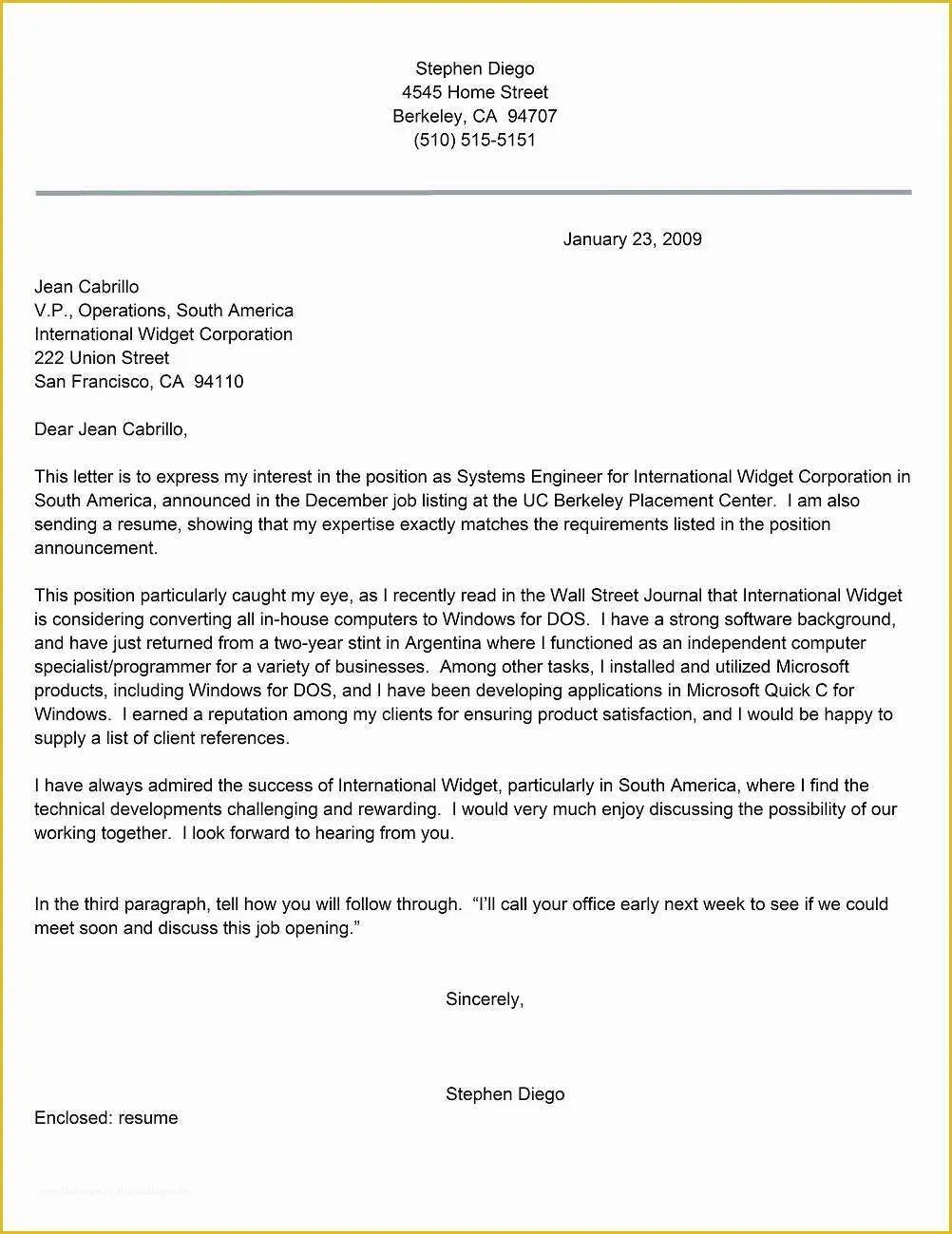
Begin your cover letter with a professional header that includes your contact information. Address the hiring manager by name, if possible. Use a formal salutation, such as “Dear Mr./Ms. [Last Name]”. Research the hiring manager’s name to ensure accuracy. A professional header and salutation set the tone for the cover letter and show your attention to detail. This is the first impression, make it count.
Body Paragraphs
The body paragraphs are the heart of your cover letter. In the first paragraph, state the position you are applying for and where you found the job posting. In the subsequent paragraphs, highlight your relevant skills and experiences. Provide specific examples of your accomplishments and quantify your achievements whenever possible. Explain how your qualifications align with the job requirements and why you are a good fit for the company. Maintain a professional and enthusiastic tone. Use clear and concise language to convey your message.
Closing and Call to Action

In your closing paragraph, reiterate your interest in the position and thank the hiring manager for their time and consideration. Include a call to action, such as stating that you are available for an interview and look forward to hearing from them. End with a professional closing, such as “Sincerely” or “Best regards,” followed by your name. A strong closing leaves a lasting positive impression. Your closing should summarize your interest and express your willingness to move forward.
Free Resume & Cover Letter Resources
Several resources are available to help you create a strong resume and cover letter. These resources offer guidance, templates, and examples to assist you in your job search. Leveraging these resources can save time and improve your chances of success. These resources provide assistance and support in your resume and cover letter efforts.
Where to Find Free Resume Templates
Various websites offer free resume templates. These templates can be customized to suit your needs. Websites like Canva, Resume.com, and Zety provide a wide range of templates. Select a template that matches your industry and experience level. Experiment with different templates to find one that showcases your skills effectively. Using free resume templates is an easy way to create a professional-looking resume. Templates will help you get started fast.
Free Cover Letter Templates and Examples

Many websites also offer free cover letter templates and examples. These resources provide guidance on how to structure your cover letter and what to include. Websites such as JobHero and LiveCareer offer a wide selection of examples. Study different examples to understand how to write a compelling cover letter. Use templates and examples as a starting point and customize them to match your qualifications and the job requirements. This will boost your chances of success.