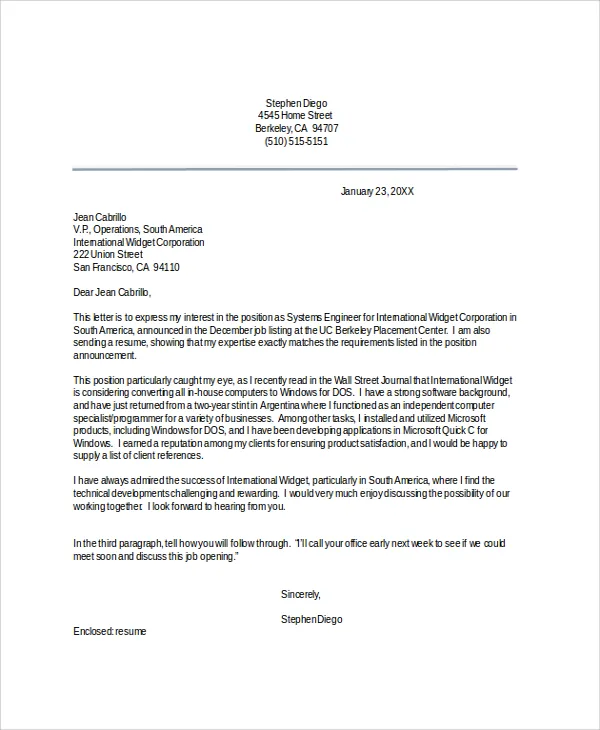
What is a Cover Letter
A cover letter is a crucial document that accompanies your resume when applying for a job. It serves as an introduction, providing a personalized overview of your qualifications and expressing your interest in the specific role and company. Think of it as your first opportunity to make a strong impression and convince the hiring manager that you are the right fit. A well-crafted cover letter highlights your key skills and experiences, demonstrating how they align with the job requirements, and showcases your personality and enthusiasm. In essence, it’s your chance to make a compelling case for why you deserve an interview.
The Importance of a Cover Letter
Many job seekers underestimate the power of a cover letter, but it can significantly increase your chances of landing an interview. It provides context to your resume, explaining your career goals and motivations. Unlike a resume, which is a factual summary, a cover letter allows you to tell a story, connecting your past experiences to the present job opportunity. It demonstrates your communication skills, your understanding of the company, and your genuine interest in the position. In a competitive job market, a well-written cover letter can set you apart from other applicants, showing that you’ve put in the extra effort to tailor your application and making you a memorable candidate. It offers a valuable opportunity to address any potential gaps in your resume or explain career transitions, offering a more complete picture of your suitability for the role.
Key Components of a Perfect Cover Letter

A perfect cover letter is not just a formality it’s a strategic document. It contains several critical components, each designed to capture the reader’s attention and compel them to learn more about you. Structure and content are paramount, ensuring that you present yourself in the best possible light. A cover letter needs to be concise, relevant, and targeted to the specific job you’re applying for, demonstrating that you have done your homework and understand the company’s needs. The use of strong action verbs, along with a clear articulation of your value proposition, helps to create a narrative that is engaging and persuasive. Focus on what you can bring to the company and how your skills and experience align with the job requirements to make a winning first impression.
Contact Information
At the top of your cover letter, include your contact information your name, address, phone number, and email address. This should be consistent with the information on your resume. Ensure your email address is professional; avoid using nicknames or informal addresses. This section makes it easy for the hiring manager to contact you if they are interested in your application. Make sure it is clearly formatted and easy to read. This is a small detail, but it shows your attention to detail.
Professional Greeting
Start your cover letter with a professional greeting. Whenever possible, address the hiring manager by name. Researching the hiring manager’s name shows initiative and demonstrates you’ve taken the time to learn about the company. If you can’t find a specific name, use a professional greeting, such as ‘Dear Hiring Manager’ or ‘Dear [Department Name] Team’. Avoid generic greetings such as ‘To Whom It May Concern’, which can make your letter seem less personalized. A thoughtful greeting sets the right tone for the rest of your letter and shows respect for the recipient.
Opening Paragraph

The opening paragraph should immediately grab the reader’s attention. State the position you’re applying for and where you saw the job posting. Then, briefly mention why you’re interested in the role and the company. You want to create excitement and express your enthusiasm. This is the hook; it is what grabs the reader’s attention and entices them to read further. Keep it concise and to the point, and make sure it sets the tone for the rest of your cover letter by showcasing your writing skills, personality, and interest in the position.
Body Paragraphs
The body paragraphs are where you highlight your skills, experience, and accomplishments. Tailor these paragraphs to the specific job requirements. Explain how your qualifications align with the job description and the company’s needs. Provide concrete examples that demonstrate your achievements. Use strong action verbs to describe your work. Focus on two to three key skills or experiences. Connect your experiences to the company’s goals and mission. This helps the reader see how you can add value to the company. Ensure the content is concise and relevant. These paragraphs should support the value proposition you presented in the opening paragraph. They will give the reader a clear idea of why you’re a great fit for the role.
Highlighting Relevant Skills and Experience
In your body paragraphs, emphasize the skills and experiences that are most relevant to the job. Carefully review the job description and identify the key requirements. Then, select examples from your past work or academic history that showcase how you’ve used these skills successfully. Instead of simply listing your skills, provide specific examples that highlight your achievements. For example, rather than saying you’re a good communicator, describe a situation where you successfully delivered a presentation to a large audience or mediated a conflict effectively. Quantify your accomplishments whenever possible.
Quantifying Achievements with Numbers

Whenever possible, use numbers and data to quantify your achievements. This makes your accomplishments more tangible and demonstrates the impact of your work. Instead of saying you improved sales, state that you increased sales by 20% in one year. Instead of saying you managed a team, mention the size of the team and any specific results you achieved. By using numbers, you provide concrete evidence of your abilities, making it easier for the hiring manager to see the value you can bring to the role. This is a crucial step in making your cover letter stand out, showing that you are results-oriented and can drive measurable success.
Demonstrating Company Research
A perfect cover letter shows that you’ve done your homework about the company. Research the company’s mission, values, and recent projects. Mention something specific that resonates with you, demonstrating your genuine interest. This might be a recent product launch, a company initiative, or the company culture. Show the hiring manager you understand their business and how your skills can contribute to their goals. This also shows you’re invested in the opportunity and gives you a clear advantage. It shows your initiative, dedication, and genuine interest in joining their team.
Expressing Enthusiasm and Fit
Express your enthusiasm for the position and the company. Explain why you’re excited about the opportunity and how your goals align with theirs. Share any personal connections or reasons why you’re particularly drawn to the company. This demonstrates your passion and motivates the hiring manager to consider your application seriously. By expressing your enthusiasm and emphasizing the mutual fit between your skills and their company culture, you will create a memorable and compelling narrative that sets you apart from other applicants. Genuine enthusiasm is contagious, making you more appealing to the hiring team.
Closing Paragraph

The closing paragraph should reiterate your interest in the position and thank the hiring manager for their time and consideration. Reiterate your key skills and how they align with the job. Reiterate your interest and excitement about the opportunity. Keep it concise and professional and aim to leave a positive final impression. Ensure you have one more sentence to recap why you are the best fit for the role. It reinforces the positive impression and encourages the reader to take action. This is also a good place to re-emphasize your enthusiasm for the position. This paragraph should be a concise summary of your unique value proposition and a compelling closing statement.
Call to Action
Include a clear call to action in your closing paragraph. This might be expressing your eagerness to discuss your qualifications further or requesting an interview. Make it easy for the hiring manager to take the next step. Make sure to state that you’re available for an interview and ready to provide any additional information. A clear call to action encourages the hiring manager to move forward with your application. You are essentially inviting them to engage with you and continue the hiring process. A proactive approach shows initiative and confidence.
Proper Closing
End your cover letter with a professional closing. Use a formal closing such as ‘Sincerely’, ‘Best regards’, or ‘Thank you’. Avoid informal closings. Make sure the tone matches the overall tone of your cover letter. This is an important detail that reflects your attention to detail. Ensure the closing is consistent with your professional image. This final detail contributes to the overall polish of your application, showing that you are organized and thorough. The closing should be courteous and professional, leaving a positive impression on the reader.
Formatting Your Cover Letter

Formatting is key to a professional cover letter. Your cover letter should look clean and easy to read. Poor formatting can distract from the content and make your application less appealing. Proper formatting helps the reader navigate the content with ease. Well-formatted cover letters communicate professionalism and attention to detail. Proper formatting gives the reader a positive initial impression of you. Make sure your cover letter is visually appealing and easy to follow.
Choosing the Right Font and Size
Choose a professional font like Times New Roman, Arial, or Calibri. Keep the font size between 10 and 12 points. These fonts are widely readable, and these sizes ensure the text is easy on the eyes. Avoid using decorative or overly stylized fonts, which can be distracting. Using standard, clean fonts and appropriate font sizes ensures your cover letter is accessible and easy to read. Proper font selection makes the document more professional and reader-friendly. A consistent and readable font makes your application more appealing and easier to digest.
Maintaining Professional Tone
Maintain a professional tone throughout your cover letter. Use formal language and avoid slang, jargon, and contractions. Proofread carefully for any grammatical errors or typos. Be polite and respectful in your tone. A professional tone shows your maturity and respect. This shows you are serious about the opportunity and will make a good impression. A formal tone demonstrates your ability to communicate effectively in a professional setting. Be sure the tone of your letter matches the culture of the company you’re applying to. This demonstrates your cultural sensitivity and ability to adapt to different communication styles.
Proofreading and Editing Your Cover Letter

Proofreading and editing are crucial steps to ensure your cover letter is free of errors. Always proofread your cover letter carefully, paying attention to grammar, spelling, and punctuation. Errors can undermine your credibility. Have someone else review your cover letter. A fresh pair of eyes can catch mistakes you might miss. A well-proofread letter shows attention to detail and professionalism. Proofreading is a critical step for a successful job application. Proofreading ensures your application makes the best possible impression. Proofreading eliminates errors and makes a good impression.
Tools for Cover Letter
There are numerous tools available to assist you in creating a perfect cover letter. Using these tools can help you save time and ensure your letter meets professional standards. From templates to grammar checkers, these tools can enhance your cover letter. Some of these tools can help you craft a letter that is customized to the specific job. These tools can also help you by ensuring your letter is polished and professional. Utilizing these tools is a great way to ensure the best possible outcome for your application.
Cover Letter Templates and Examples
Using cover letter templates and examples can be an excellent starting point for writing your own. They provide a framework, offering guidance on structure and content. However, remember to personalize them to reflect your skills and the specific job you are applying for. There are many free and paid templates available online. Review examples to get inspiration and understand the format and style. However, always tailor any template to your specific qualifications and the requirements of the job. Customizing these templates helps you create a document that effectively presents your unique value proposition.
Cover Letter Do’s and Don’ts
Here are some key do’s and don’ts to keep in mind when writing your cover letter. Following these guidelines will help you create a compelling application. This will improve your chances of landing an interview. These key points will help to make your cover letter shine. These strategies will set you apart from the competition.
- Do tailor your cover letter to each job application.
- Do highlight your relevant skills and experience.
- Do quantify your achievements whenever possible.
- Do research the company and demonstrate your interest.
- Do proofread carefully for any errors.
- Don’t use generic or canned language.
- Don’t simply repeat your resume; add new information.
- Don’t make the letter too long; keep it concise.
- Don’t include irrelevant information.
- Don’t forget to include a call to action.